
6 Best Things To Do In West Coast National Park On A Day Trip
(This article has affiliate links to products which we may make commission from at no extra cost to you.)
Sometimes I just need a break from the city, but the time and money needed for a weekend away aren’t always feasible. Luckily, the coastal beauty of the West Coast National Park offers me a reprieve from the bustling center of Cape Town at an affordable price.
And because it’s only an hour outside the city, it’s the perfect day trip, offering secluded white-sand beaches with plenty of sunshine, fresh air, and a variety of activities to keep everyone entertained.
The park borders the town of Yzerfontein and stretches all the way up to Langebaan Lagoon. While driving, hiking or cycling around the park’s almost 350 square kilometres you may spot some it’s resident wildlife including a variety of buck and some zebras.
Apart from the mammals, the park is also home to over 250 bird species and an abundance of flora. If all that animal watching leaves you feeling peckish you can set up your own picnic on one of the beaches or use one of the braai facilities to cook up a feast.
With so many options, it can be hard to know where to start when planning a day trip to the West Coast National Park. That’s why I’ve rounded up my top six activities to help make the most of a rejuvenating break.
The Best Things to do in West Coast National Park
1. Hiking Trails
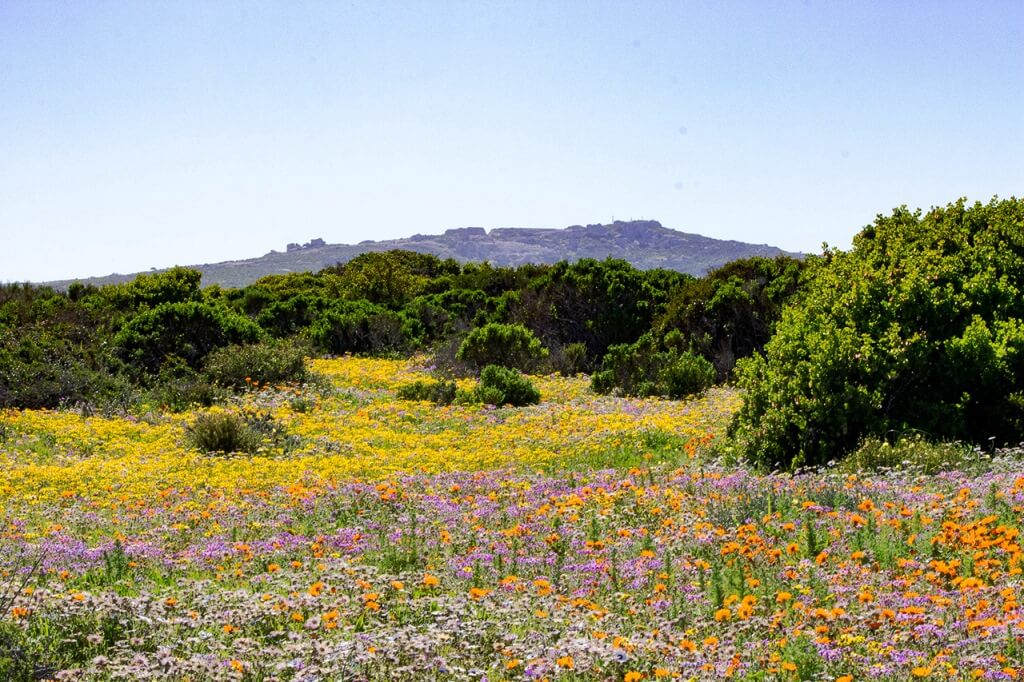
Apart from strolling along the beaches, I also enjoy heading out for a hike or two. The park has several hiking options that range from a gentle 4km walk to a challenging two-and-a-half-day, 30km trek.
For a day trip, my top recommendations are the 4.6km Bakoor Trail and the nearly 2km Tsaarsbank Shipwreck Trail—both are perfect for a relaxed exploration.
There are also two circular hikes, one 7km and the other 9km, both starting at the Geelbek Information Centre.
Another lovely trail I’ve experienced is the 13.9km Steenbok Trail, which winds through the restricted Postberg section of the park. Since this trail is in a restricted area, it must be booked in advance and is only available in August and September during the flower season.
2. Whale-Watching, Birding and other Animal Sightings
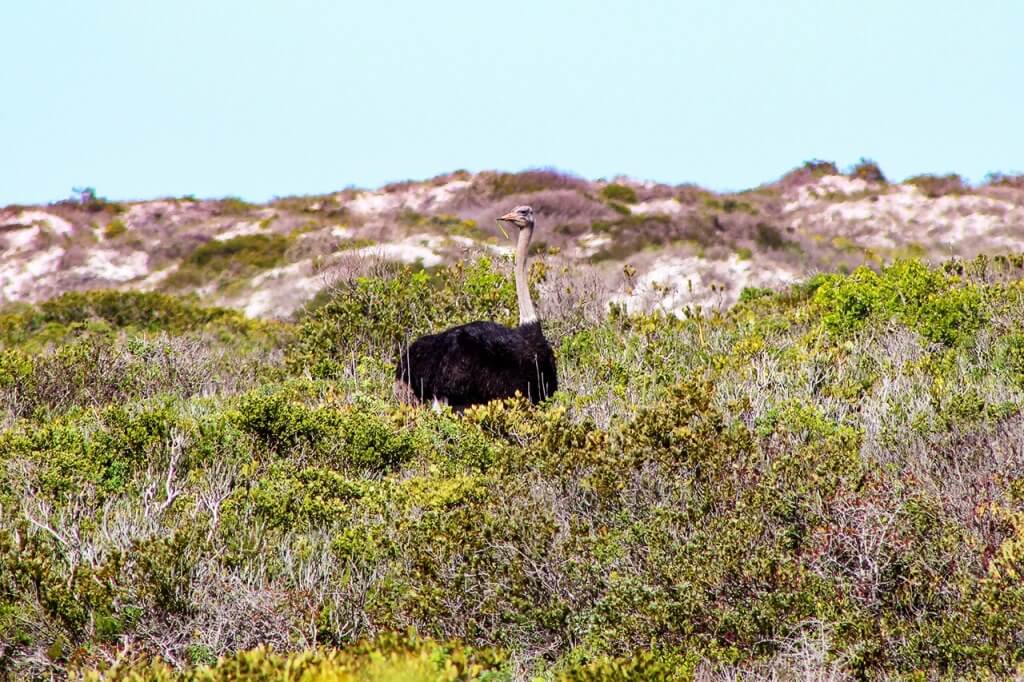
Not only is the park home to over 250 bird species, it’s also home to reptiles and mammals, and to top it off pods of whales visit it’s shores annually. You can easily turn your day-trip to this park into your very own mini-safari by driving around and checking off all the fauna you’re bound to spot. Along the roadside, you’re likely to spot ostriches, eland, and bontebok, and possibly even the odd zebra, tortoise and cobra.
Those with a keen eye might catch glimpses of the rarer animals like the bat eared foxes and caracals.
The Atlantic viewing point is your best bet for whale-watching, bring some binoculars and snacks as it can take a while to spot the gentle giants even in season (from August to October). There are four hides that provide bird-lovers with ample opportunities at spotting their favourite feathered friends such as flamingos, pelicans and African oystercatchers to name a few.
You may even spot an African Penguin if you venture closer to the mouth of the lagoon as they call the islands just off of the coast home.
3. Spring Wild-Flowers
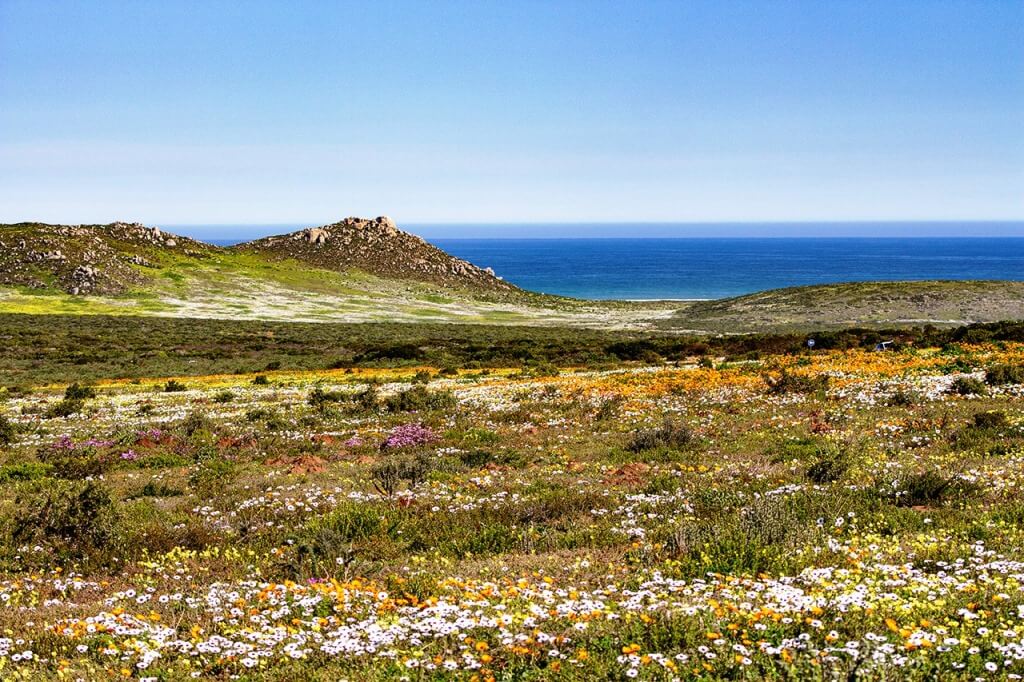
Every year, during August and September, the park opens up its restricted Postberg section to the public—and I always look forward to it. The response is incredible, with crowds flocking to see a riot of colours as wildflowers burst into full, breathtaking bloom. On weekends, the park buzzes with visitors all eager to soak in nature’s vibrant tapestry.
While you are allowed to get out of your car, you’re asked not to walk into or on the flowers. For a more intimate experience, visit on a weekday and pack a picnic to enjoy roadside.
4. Beaches

The park surrounds Langebaan Lagoon with its gorgeous white-sand beaches and several hidden, secluded spots. Two of my favourite beaches are Kraalbaai and Preekstoel, both offering long stretches of pristine sand leading to the inviting turquoise water. Bring an umbrella, beach towels, sunblock and plenty of water and snacks to spend a lazy morning or afternoon catching some rays in between dips in the chilly water.
There aren’t any changing rooms so either don your costume under your clothes or surreptitiously change. You’ll likely see quite a few families at Kraalbaai if you go in spring or summer, but out of peak season – late summer or during the week – you may just have the beach to yourself except for the houseboats.
Preekstoel is more private and has a few stunning and interesting rock formations in the shallows that are worth exploring. You can also stroll from one beach to the other in between swims.
5. Picnics and Braai Spots

There’s one restaurant in the park but why sit indoors when there are tons of wonderful spots to have a picnic? Apart from the beaches, there are several designated braai spots both at the lagoon and on at the rugged and far more coastal Tsaarsbank section of the park.
Bring blankets, food and cool-drinks (no alcohol allowed) and then sit back and enjoy the views. In the summertime, fruit, crisps and dip are my go to picnic starter pack and if you’re looking for something a little more substantial, bring a ready-made sandwich for an easy fuss-free meal.
6. Cycling and Mountain Bike Trails
Take in the park’s vistas at warp-speed, or rather at the speed your feet can peddle while taking full advantage of the park’s cycling and mountain bike trails. Whether you’re a leisure cyclist or a need-for-speed mountain biker, all trails start at the Langebaan Gate.
One of the two main cycling routes is a 30km circular route that goes via Geelbek while the other covers 70km of ground and goes via Kraalbaai. Mountain bikers can enjoy the Green or Red trail, both of which offer breathtaking views of the park.
The 13km Green Trail takes riders to the Seeberg Bird Hide before going back to the gate while the 17km Red Trail goes to the Seeberg View Point, Mooimaak and then back to the gate.
Important Information
Entry into the West Coast National Park isn’t free so in order to enjoy the above activities, you’ll need to pay their entrance fee, adhere to their opening and closing times, and follow their rules.
For entry fee you can see their tariffs here.
Opening Hours
- September – March: Daily, 7 am – 7 pm, last vehicle entry at 6.30 pm
- April – August: Daily, 7 am – 6 pm, last vehicle entry 5.30 pm
- Postberg: Daily in August and September only, 9 am – 5 pm, last entry, 4.30 pm
Author Bio
Alicia is a curly-haired, 20-something freelance writer and photographer. She’s also an avid horse rider, a bookworm who doesn’t read enough and a proud dog mum. She comes from a tiny village in France, was raised in Cape Town and lived a few years in England. She enjoys travelling, loves food, enjoying eating out and finds cooking soothing. In July 2020, she launched an online portfolio to showcase her writing and photography where she shares her journey with you.
You can find her on her Blog, Facebook, Instagram and LinkedIn
Read Next